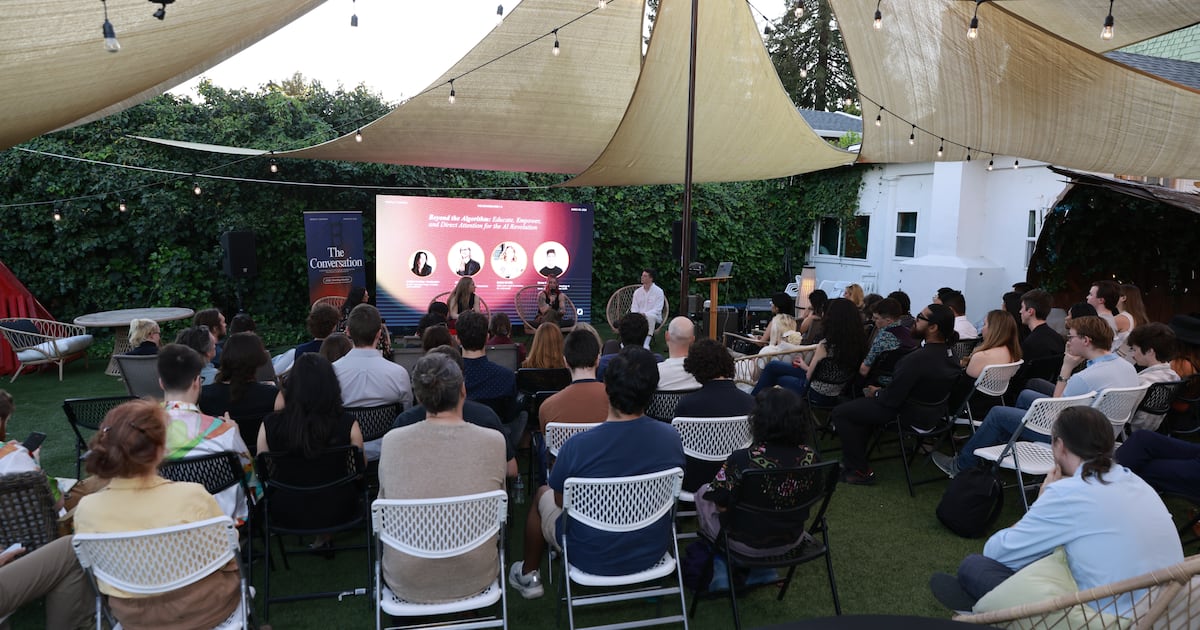
As artificial intelligence increasingly becomes a part of our daily lives, a growing movement is rallying around the causes of AI safety. Recent events have brought attention to the alarming disconnect between rapid AI advancements and public understanding of their potential risks. A notable gathering in Berkeley, California, where content creators convened to address the dangers of catastrophic AI, showcases this urgent need for discussion and awareness.
Fueled by concerns that superintelligent AI could pose existential threats to humanity, the event served as a platform for communicators to learn how to effectively convey these risks. Jeffrey Ladish, a former security engineer at the AI startup Anthropic and founder of the nonprofit Palisade Research, emphasized that while research on AI’s potential dangers is abundant, the challenge lies in translating these findings into digestible content for the everyday person.
“People need to take complex ideas and explain them in relatable terms,” Ladish said, indicating a shift in strategy for the AI safety community. Historically, AI safety advocates have focused on elite discussions, but the growing apprehension about superintelligent AI has opened the door for broader engagement. With creators from various backgrounds, including climate activists and social media influencers, the goal is to seed informative content about AI risks across multiple platforms.
The movement has gained traction through partnerships with popular figures like YouTube star Hank Green, highlighting an essential strategy of involving seasoned content creators to reach wider audiences. The recent fellowship program in Berkeley required participants to focus half of their content on societal impacts of AI, including workplace automation and potential hazards. This approach is garnering attention; the viral traction of AI-focused content suggests a responsive public willing to engage with these discussions.
Surveys indicating that a significant majority of Americans support regulatory measures concerning AI underscore the urgency felt by advocacy groups. Although many experts remain skeptical of doomsday predictions about AI, the undeniable quickening pace of technological development has fractured the discourse around AI and its implications.
With the creeping presence of AI in professional sectors, labor unions, and political arenas, the stakes are high. The Berkeley event was described as a critical opportunity to bring together diverse narratives about AI’s impacts, aiming for more voices in a conversation often dominated by tech elites.
Ladish himself has experienced the challenge of making AI discussions accessible. By engaging everyday people and introducing them to the unsettling idea that AI could potentially lead to humanity’s demise, he found hesitance transformed into curiosity. This grassroots outreach is vital to bridging the gap between technological advancements and public comprehension.
Panelist Janet Oganah, who shares AI-related insights on TikTok, also pointed out that there is a largely untapped audience that could greatly benefit from clearer communication about AI. “There’s a much bigger world out there of people who may be starting to feel the impacts of AI, but in a completely different way,” she stated. Her perspective highlights how nuanced conversations about AI can resonate across various demographics, especially when relating to jobs and economic security.
The creative energy surrounding this movement comes not only from anxiety about extraordinary threats but also from a collective desire for accountability. With bipartisan discontent surrounding tech industries, public figures who span the political spectrum—including Bernie Sanders and conservative voices—are now prioritizing discussions around regulation and ethical AI usage.
Despite prevailing concerns from AI companies that “doomers” might rile up public sentiment against the tech sector, these conversations are not void of constructive intentions. Instead, they seek to ignite meaningful dialogues on ethical AI development that prioritizes human safety.
In an age where misinformation can easily spread, the responsibility of content creators has never been more significant. By narrating urgent stories about AI implications in a digestible format, they shape perceptions and fuel critical conversations that could influence policy decisions.
As we stand on the precipice of an AI-driven future, understanding the potential risks and engaging with informed voices is paramount. The commitment from the AI safety community to recruit influencers indicates a burgeoning recognition that collaborative outreach is essential for fostering public engagement in this crucial discussion. It is clear that the responsibility does not lie solely with technologists; it extends to all of us. The narrative around AI safety is only just beginning, and a collective effort could help steer the conversation toward responsible AI integration into society.
Leave a Reply