The AI Revolution and Its Impact on Entry-Level Jobs
The landscape of the American job market is undergoing a dramatic transformation, fueled by the rapid adoption of Artificial Intelligence. Contrary to decades-old advice that a college degree is a golden ticket to middle-class stability, recent trends suggest that AI is changing the rules of the game—especially for new graduates. As major companies like AT&T and Ford ramp up recruiting for skilled trades, entry-level jobs for college graduates are becoming harder to secure, marking a crucial shift in the future of work.
Why AI Is Causing White-Collar Hiring Slowdowns
While fears of an AI-driven jobs apocalypse have yet to materialize at scale, evidence points toward a targeted impact—particularly on entry-level, white-collar roles. As AI solutions take on more tasks in fields such as marketing, human resources, legal, accounting, and IT, the need for new hires in these areas is dwindling. Instead, AI is automating the very kinds of jobs traditionally held by fresh college graduates seeking their first real-world experience. This trend is substantiated by employment data showing higher unemployment rates for new college grads, especially in industries susceptible to AI automation.
Unemployment Trends for College Grads
Historically, the average unemployment rate for recent college graduates in the U.S. hovered around 4.5%, but recent data highlights a rise to approximately 5.4%. Researchers at Stanford and the U.S. Census Bureau have found that early-career hiring in AI-exposed industries like finance and professional services declined significantly since the launch of advanced AI tools such as ChatGPT. These roles, once considered foundational stepping stones for ambitious graduates, are now at risk of vanishing or being fundamentally altered.
The Soaring Demand for Blue-Collar, Skilled Trade Workers
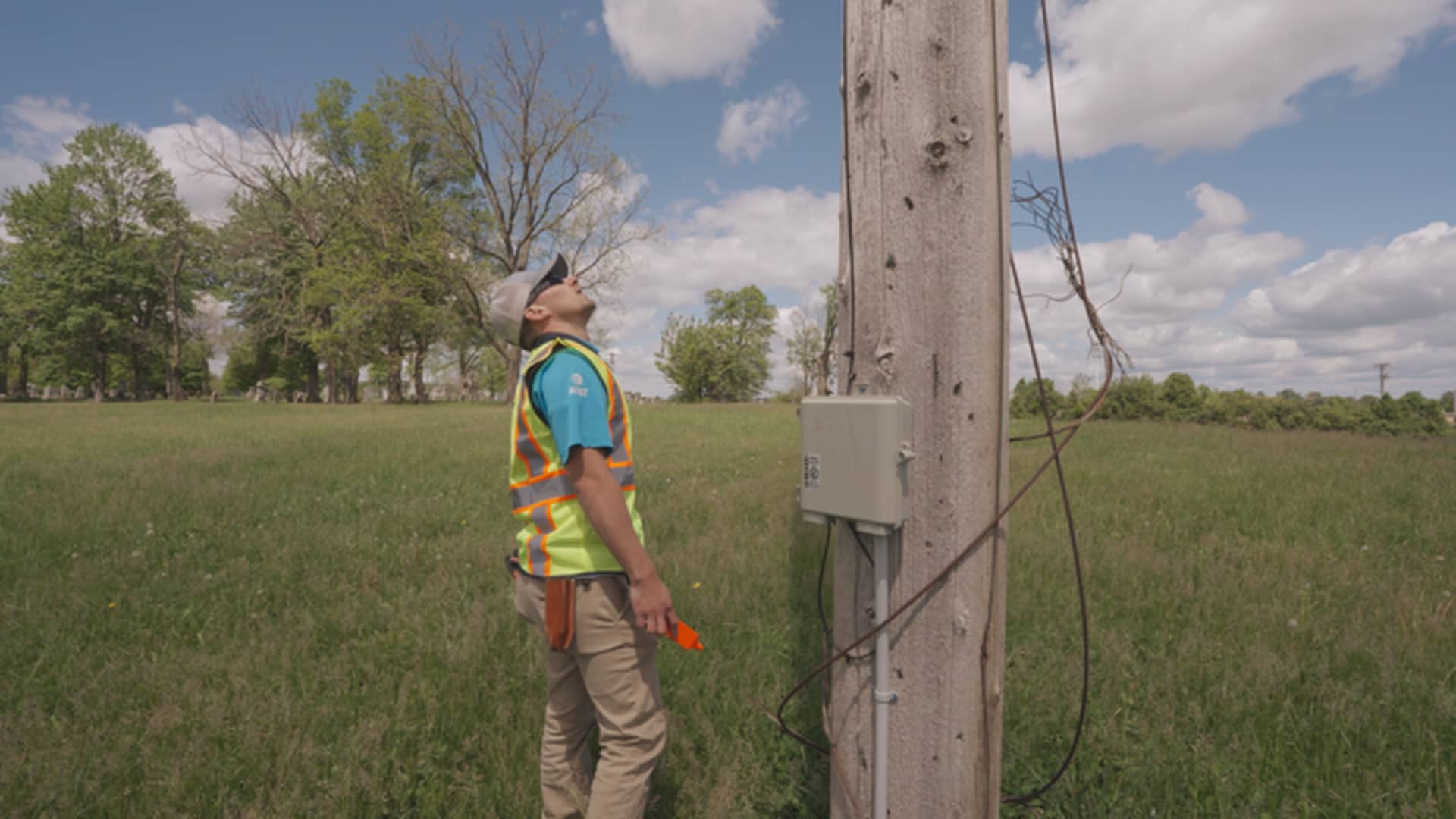
While white-collar pathways become less certain, companies investing in digital infrastructure are urgently seeking skilled technicians and trade workers. AT&T, for example, plans to spend $250 billion over five years expanding its fiber network to power the next stage of digital and AI expansion. A significant portion of this investment is earmarked for hiring and training blue-collar workers—people who can install, connect, and maintain complex systems and physical infrastructure.
Why Skilled Trades Are Booming
The surge in demand for technicians arises from ambitious projects such as building data centers, expanding fiber optic networks, and constructing chip factories across the U.S. Firms like Ford, Nvidia, and AT&T are all public about their urgent need for plumbers, electricians, steel workers, and network technicians. This momentum is not only driven by construction but also by ongoing maintenance—jobs that, as of now, are largely immune to AI-driven automation.
The Changing Value of a College Degree in an AI Era
While data still shows that a college degree leads to lower lifelong unemployment and higher earnings on average, the immediate payoff is shifting. The return on investment has plateaued, and the current job market calls for a more nuanced approach. Employers like Cart.com and Bain & Company suggest that graduates fluent in AI technology and practical, real-world skills will fare best. Those able to manage AI systems or work alongside digital tools rather than performing easily automated tasks are most likely to secure employment.
Colleges Under Pressure to Adapt
The race is on for higher education institutions to update their curricula. New graduates are being asked to demonstrate advanced skills earlier in their careers, with employers expecting expertise and adaptability from day one. Some thought leaders argue that this shift means young workers must start their careers not at the entry level, but with competencies previously expected of more seasoned staff. Those who can quickly adapt and show proficiency with AI will remain in demand.
The Skilled Trades: Pathways to Stability and Growth
For many, pursuing a skilled trade is becoming a more direct route to financial security and homeownership. Stories like that of Kyson Cook, a young AT&T technician in Ohio, highlight the benefits: steady pay, job satisfaction, and minimal student debt. These workers report job stability and confidence in their future, emphasizing that technical fields offer tangible rewards and less vulnerability to automation risk. Many skilled trades also offer substantial signing bonuses, on-the-job training valued at tens of thousands of dollars, and ongoing career development.
The Growing Skilled Labor Shortage
Despite growing awareness, the U.S. is facing a severe shortage of skilled labor. Industry reports forecast up to 2.1 million skilled trade vacancies by 2030. The construction sector alone is expected to lack 450,000 workers next year—a gap that won’t be easily closed unless cultural attitudes shift to value hands-on work as highly as academic achievement.
What Does the Future Hold?
Future job market success could depend on how quickly both educational institutions and employers respond. Colleges need to incorporate practical AI training and real-world skill development. Employers, meanwhile, must rethink traditional job requirements and recognize that advanced AI literacy and hands-on expertise can deliver as much value as a four-year degree. As the U.S. economy continues to digitize, a diverse pipeline of skilled workers—combining technological fluency and technical prowess—will be essential to continued growth and prosperity.
Key Takeaways
- AI adoption is causing white-collar, entry-level job opportunities to shrink.
- Skilled trades are in high demand with strong salaries and job security.
- Employers are shifting hiring priorities, focusing on practical, job-ready skills.
- Colleges must adapt curricula to prepare graduates for an AI-driven economy.
- Job seekers with AI proficiency or skilled trades are best positioned for success in the coming decade.
The American Dream is evolving. Navigating the changing world of work means being open to new paths—whether in blue-collar trades or tech-powered office roles. The future will favor adaptability, real-world experience, and a willingness to learn alongside our digital counterparts.